تأسست مايو ٢٠٢٦ · مجانية · شهرية
معلومات مختارة لمشغّلي الخدمات اللوجستية والمستوردين والمصدّرين ومحترفي الشحن
إعادة الفتح لم تصمد.
والخريطة تُعاد رسمها مجددًا.
الشهر الماضي قلنا إن إعادة فتح مضيق هرمز لن تصل إلى جدول أسعارك بين عشية وضحاها. في يوليو انعكست تمامًا — ضربات جديدة لناقلات نفط، وعلاوات مخاطر حرب عادت إلى ٧.٥–١٠% من قيمة السفينة، وعمليات العبور انهارت إلى أدنى مستوياتها. أقرب إلينا، الأخبار تسير بالاتجاه المعاكس: إعادة فتح لبنان على الخليج تتعزز، ومرفأ بيروت يعود إلى الخريطة الإقليمية بعد ست سنوات من الانفجار، والذكاء الاصطناعي يواصل تفكيك اختناق الجمارك. إليك ما يتحرك — وماذا يعني للمشغّلين في لبنان وخارجه.
سعّرتَ على أساس إعادة فتح هرمز. ثم انعكس يوليو.
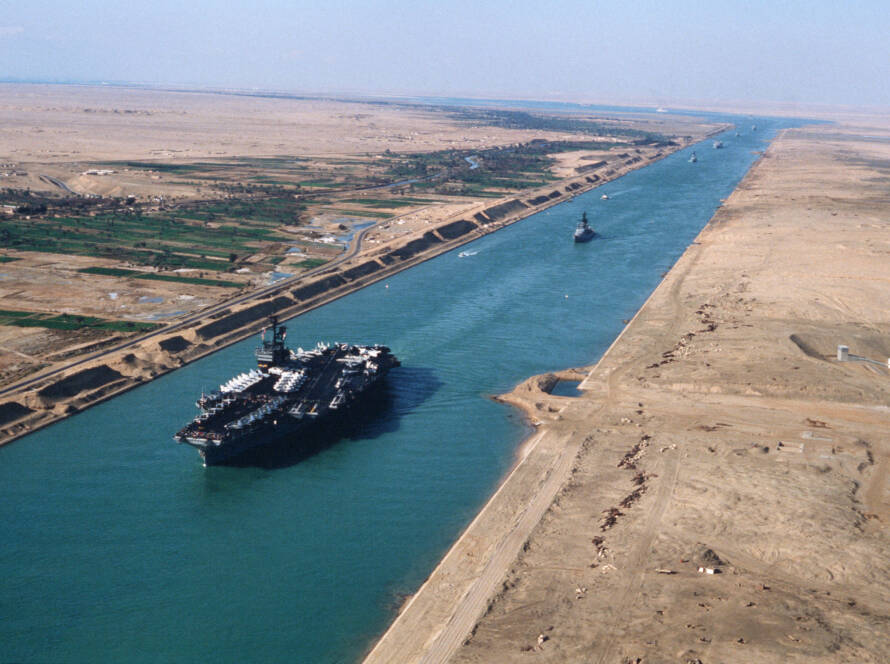
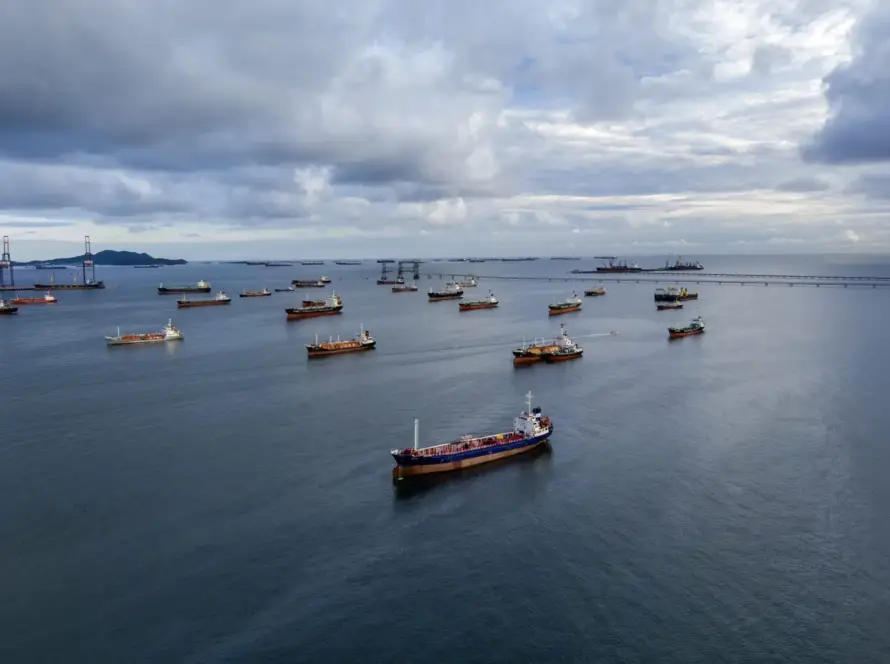
انعكست إعادة الفتح بسرعة. ضربت إيران ناقلتي نفط عملاقتين إماراتيتين في ١٥ يوليو وأعلنت طهران إغلاق هرمز في ١٩ يوليو — ما دفع علاوات مخاطر الحرب إلى ٧.٥–١٠% من قيمة السفينة، من ٠.٢٥% قبل الأزمة. انهارت عمليات العبور اليومية إلى نحو ١٠، من المعدل الطبيعي ١٢٠–١٤٠؛ وتأمين ناقلة نفط خام كبيرة واحدة يقارب الآن ٢١ مليون دولار لكل رحلة. الانفراج المتوقع لم يأتِ؛ المخاطر أعادت التسعير بالاتجاه المعاكس.
العدد الثالث قال «ليس بعد». يوليو قال «ليس على الإطلاق — حاليًا». المشغّلون الذين أبقوا افتراضات الرسوم الإضافية والتوجيه مؤقتة لم يضطروا لتفكيك رهان حُجز بالفعل.
↗ The National · علاوة مخاطر الحرب ترتفع مع تصاعد توترات هرمز · يوليو ٢٠٢٦
أرخص طريق إلى الخليج الآن يمر برًا عبر سوريا — بما في ذلك الاحتكاك
مع تقلب المسارات البحرية، يشحن المصدّرون اللبنانيون إلى السعودية برًا عبر سوريا بنحو ٣,٠٠٠ دولار للحاوية — مقابل نحو ٧,٠٠٠ دولار بحرًا. التوفير حقيقي؛ وكذلك العبء: عبور متعدد الحدود، أوراق جمركية لكل معبر، استمرارية سلسلة التبريد، وتأشيرات عبور لم تُحل. الممر يكافئ من يحافظ على المستندات ودرجة الحرارة والتوقيت سليمة عبر ثلاث حدود.
تكلفة شحن أقل، تكلفة تنسيق أعلى. الهامش ينتقل لمن يستطيع إبقاء شحنة متعددة المستندات على المسار دون أي انقطاع في التسليم.
↗ Al Majalla · لبنان يعيد فتح بوابته الخليجية · ٢٠٢٦
التخليص الجمركي هو حيث يعيش التأخير الآن — والذكاء الاصطناعي يتصدى له
عندما تعبر الشحنات الحدود، ينتقل الاختناق من البحر إلى الأوراق — حيث يؤثر الذكاء الاصطناعي بأقوى شكل. نظام ACE ٢.٠ للجمارك الأمريكية يُخلّص البيانات أسرع بنحو ٤٠%، مع تحديد المخاطر قبل الوصول. الذكاء الاصطناعي للمستندات يعالج ٨٠–٩٠% من بيانات الأعمال غير المهيكلة — النماذج وبوالص الشحن والفواتير التي يربطها بحث IBM بأكثر من ٦٠٠ مليار دولار خسائر سنوية في إدخال البيانات. على مسار بيروت–سوريا–الأردن–الخليج، مستندات أنظف تعني تخليصًا لا انتظارًا.
السوق المُعاد فتحه يكافئ من يُخلّص أسرع. توحيد مناولة المستندات ومعالجتها مقدمًا هو أعلى خطوة أثرًا عندما تعبر كل شحنة ثلاث حدود.
↗ Supply & Demand Chain Executive · ٦ اتجاهات للذكاء الاصطناعي تعيد تشكيل سلاسل التوريد · ٢٠٢٦
الذكاء الاصطناعي الوكيل ينتقل من العرض التوضيحي إلى الإرسال الفعلي
التحول في ٢٠٢٦ هو من ذكاء اصطناعي يلخّص إلى ذكاء اصطناعي يتصرف. الأنظمة الوكيلة تدير التوجيه والجدولة وتنسيق المستودعات — وتعالج مئات الآلاف من الرسائل الإلكترونية وملايين دقائق المكالمات الصوتية. McKinsey، في المراجعة ذاتها، تقدّر خفض التكاليف اللوجستية المدفوعة بالذكاء الاصطناعي بنسبة ١٥–٢٠% وخفض المخزون بنسبة ١٠–٣٥%. الهدف ليس استبدال الفريق — بل منح كل شخص وكلاء للمهام المتكررة.
الأدوات انتقلت من «مثيرة للاهتمام» إلى «تشغيلية» هذا العام. الميزة تذهب للفرق التي تختار سير عمل واحدًا وتترك الوكلاء يديرونه من البداية إلى النهاية — لا تلك التي لا تزال تقيّم.
↗ Supply & Demand Chain Executive · ٦ اتجاهات للذكاء الاصطناعي (شاملة بيانات McKinsey) · ٢٠٢٦
إعادة ترتيب لبنان الخليجية تحصل على دفعة ملكية — وترقية جمركية
أمر ملكي سعودي — عبر هيئة التجارة الخارجية واتحاد الغرف السعودية — أعاد فتح السوق أمام البضائع اللبنانية، أول شحنة في ٢٠ يونيو. يستهدف المصدّرون ٥٠٠ مليون دولار في السنة الأولى و١–١.٥ مليار دولار خلال ثلاث سنوات؛ قبل حظر ٢٠٢١، كانت السعودية تستقبل نحو ٨٥% من صادرات لبنان الخليجية ونحو ١٢% من إجماليها. وتدعم بيروت ذلك بمسح ميناء جديد — مع تعهّد بأن لبنان لن يكون «منصة إطلاق لأذية إخوانه العرب».
هذا اتجاه وليس حدثًا لمرة واحدة. خطّط لاستمرار نمو الطلب المتجه نحو الخليج — ولمعه التدقيق في الامتثال الذي يأتي مع سوق تُمنح ثقته من جديد.
↗ Asharq Al-Awsat · السعودية تشجع استيراد المنتجات اللبنانية · يونيو ٢٠٢٦
بعد ست سنوات، مرفأ بيروت يعود إلى الخريطة الإقليمية
يصادف ٤ أغسطس ذكرى مؤلمة، لكن قصة مرفأ بيروت الآن هي قصة تعافٍ. أُعيد بناء الطاقة الاستيعابية إلى نحو ٨٠٠,٠٠٠ حاوية مكافئة، باتجاه ١.٢ مليون التي كانت تُناول قبل انفجار ٢٠٢٠. CMA Terminals في منتصف امتياز عشر سنوات وتحديث بقيمة ٣٣ مليون دولار — معدات جديدة وأنظمة رقمية ومنشأة صيانة — لرفع الطاقة نحو ١.٤ مليون حاوية. وإعادة بناء بدعم فرنسي، ممولة من إيرادات المرفأ، ستُصلح وتعيد تأهيله. مع إعادة فتح الخليج، يمكن لبيروت استعادة دور بوابة شرق المتوسط.
مرفأ بيروت فاعل ومحدَّث يغيّر حسابات كل شحنة لبنانية — توقف أقصر، جداول أثبت، وقاعدة رئيسية موثوقة مع عودة الطلب الخليجي. راقب موثوقية الأرصفة والطاقة، لا عناوين الذكرى.
↗ The Maritime Executive · إعادة بناء مرفأ بيروت · ٢٠٢٦
عبر سير عمل الشحنات التي نعمل عليها مع فرق السوق المتوسط، لم يكن الاختناق هذا الصيف في طاقة المحيطات — بل في تأخر المستندات. عندما يتغير مسار فجأة — من هرمز إلى البر، من البحر إلى ممر سوريا — التأخير الذي يكلّف فعليًا هو إعادة صياغة أوراق الجمارك لمجموعة جديدة من الحدود، وليس الشحن نفسه. المشغّلون الذين امتصوا تقلبات يوليو بأفضل شكل هم من وحّدوا بيانات شحناتهم وفحوصات مستنداتهم مسبقًا، فأصبح تغيير المسار تغييرًا في البيانات بدلًا من إعادة عمل يدوية.
نظرة إلى الأمام
راقب أسعار ناقلي الخليج خلال الأسابيع القادمة. حتى لو تحسنت حركة السفن، من المرجح أن تبقى علاوات مخاطر الحرب مرتفعة حتى يشهد المؤمّنون استقرارًا مستدامًا — لذا توقع أن الرسوم الإضافية ستتأخر عن أي عنوان «إعادة فتح». على الجانب اللبناني، الاختبار الحقيقي الأول هو ما إذا كان ممر سوريا البرّي يستطيع تخليص منتجات سلسلة التبريد في الوقت المحدد؛ هذا — وليس حسن النية السياسي — هو ما سيحدد كم من هدف التصدير البالغ ٥٠٠ مليون دولار سيتحرك فعلًا هذا العام.
شاهد كيف تبقى فرق العمليات فوق كل شحنة
Naviflow هي منصة عمليات الشحن المدعومة بالذكاء الاصطناعي لمستوردي ومصدّري وتجّار السوق المتوسط — تجمع تنسيق الشحنات ورؤية المستندات والملكية والخطوات التالية في مساحة عمل تشغيلية واحدة.
حول The Naviflow Brief
The Naviflow Brief نشرة مجانية تصدر شهريًا لمشغّلي الخدمات اللوجستية والمستوردين والمصدّرين ومحترفي الشحن الذين يتنقّلون في بيئة تجارة عالمية متزايدة التعقيد. هدفها بسيط: تقديم قراءة حادّة وصادقة لما يحرّك القطاع — ليس محتوى مبيعات، وليس بيانات صحفية، بل معلومات مختارة بزاوية تشغيلية واضحة. كل عدد يكتبه فريق Naviflow من مصادر أولية ومنشورات تجارية رائدة، ويُلخَّص بأسلوبنا، ويُرشَّح بسؤال واحد: ماذا يعني هذا لشخص يدير شحنات فعليًا؟
① تحديات تشغيلية — الاحتكاك اليومي: سير العمل المعطّل، والاختناقات اليدوية، والتكاليف المرتفعة، والمشاكل التي تتعامل معها الفرق بصمت.
② حلول تقنية وذكاء اصطناعي — ما ينشره المشغّلون فعليًا: منصات، وكلاء ذكاء اصطناعي، أدوات أتمتة، ودراسات حالة من القطاع.
③ المشهد العام — القوى الخارجة عن سيطرتك: الجيوسياسة، التعريفات الجمركية، ازدحام الموانئ، التنظيمات، وتحوّلات مسارات التجارة التي يجب معرفتها.
The Naviflow Brief محتوى تحريري مستقل — نكتبه لأننا نؤمن بأن قطاعًا مطّلعًا هو قطاع أفضل.
sales@naviflow.ai · naviflow.ai
© ٢٠٢٦ Naviflow
The reopening didn’t hold. And the map is being redrawn again.
Last month we said the Strait of Hormuz reopening wouldn’t reach your rate sheet overnight. In July it reversed outright — fresh tanker strikes, war-risk premiums back to 7.5–10% of hull value, and crossings collapsing to a trickle. Closer to home the news runs the other way: Lebanon’s Gulf reopening keeps building, Beirut port is climbing back onto the regional map six years after the blast, and AI keeps eating the customs bottleneck. Here’s what’s moving — and what it means for operators in Lebanon and beyond.
Vessels crossing Hormuz at the July low, from 120–140 normally
Lebanon’s first-year export target to a reopened Saudi market
Operational Challenges
You priced in the Hormuz reopening. Then July reversed it.
7.5–10%
~10/day
Issue #3 said “not yet.” July said “not at all — for now.” The operators who kept their surcharge and routing assumptions provisional didn’t have to unwind a bet they’d already booked..
The cheapest way to the Gulf now runs overland through Syria — friction included
$3,000
$7,000
Lower freight cost, higher coordination cost. The margin moves to whoever can keep a multi-document shipment on track without a single handoff breaking.
Tech & AI Solutions
Customs clearance is where the delay lives now — and AI is taking it on
40%
$600B+
The reopened market rewards whoever clears fastest. Standardising and front-loading document handling is the highest-leverage first move when every shipment crosses three borders.
Agentic AI moves from demo to dispatch
15–20%
10–35%
The tools crossed from “interesting” to “operational” this year. The advantage goes to teams that pick one workflow and let agents run it end-to-end — not the ones still evaluating.
The Landscape
Lebanon’s Gulf reset gets a royal push — and a customs upgrade
$500M
~85%
This is a direction, not a one-off. Plan for Gulf-facing demand to keep building — and for the compliance scrutiny that comes with a market you’re being trusted with again.
Six years on, Beirut port is climbing back onto the regional map
~800K
1.4M
A functioning, modernised Beirut port changes the math on every Lebanese shipment — shorter dwell, steadier schedules, and a credible home base as Gulf demand returns. Watch berth reliability and capacity, not the anniversary headlines.
Operator Actions
This month we recommend · one-minute read
Naviflow Insight
Across the shipment workflows we work on with mid-market teams, the bottleneck this summer hasn’t been ocean capacity — it’s documentation latency. When a lane suddenly reroutes — Hormuz to overland, sea to the Syria corridor — the delay that actually costs money is re-cutting customs paperwork for a new set of borders, not the freight itself. The operators absorbing the July volatility best are the ones who’d already standardised their shipment data and document checks, so a routing change becomes a data change instead of a manual redo.
Looking Ahead
Watch Gulf carrier pricing over the coming weeks. Even if vessel traffic improves, war-risk premiums are likely to stay elevated until insurers see sustained stability — so expect surcharges to lag any “reopening” headline. On the Lebanon side, the first real test is whether the Syria overland corridor can clear cold-chain produce on schedule; that, more than the political goodwill, will decide how much of the $500M export target actually moves this year.
From Naviflow
See how operations teams stay on top of every shipment
About The Naviflow Brief
the day-to-day friction: broken workflows, manual bottlenecks, rising costs, and the problems teams are quietly dealing with.
what operators are actually deploying: platforms, AI agents, automation tools, and case studies from the industry.
The Naviflow Brief is independent editorial content — we write it because we believe an informed industry is a better industry.
The Chokepoint Reversal Edition
_
Est. MAY 2026 · Free · Every Three Weeks
Curated intelligence for logistics operators, importers, exporters & freight professionals